Creole Is Not an Adjective
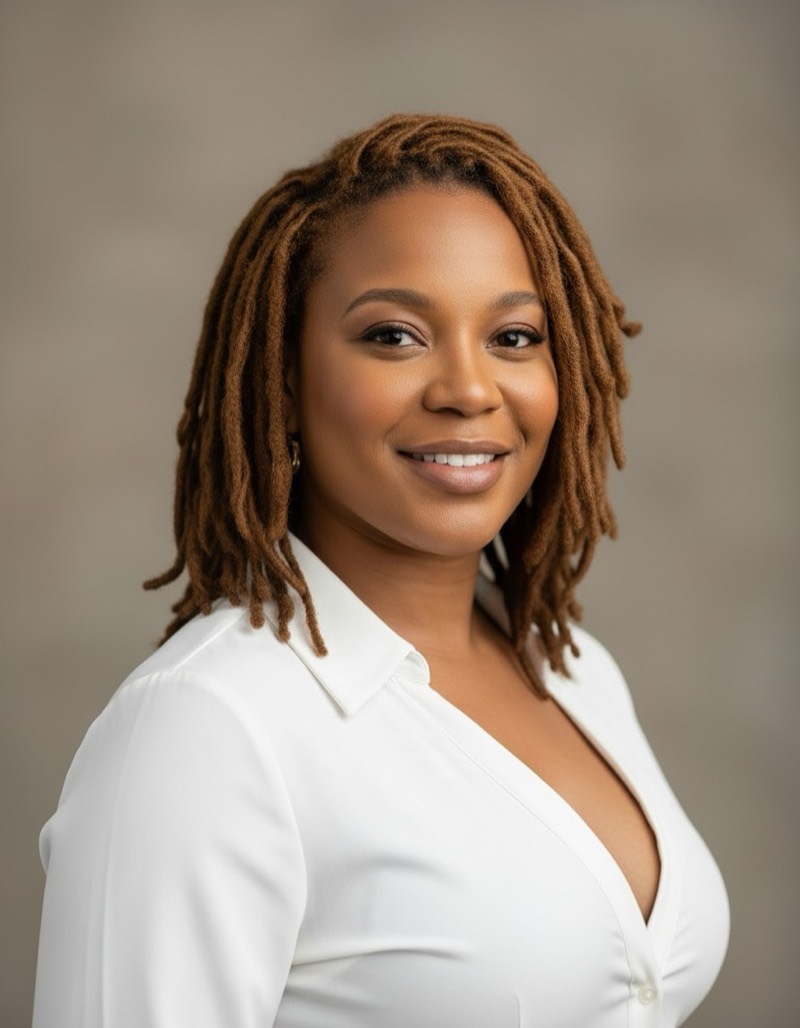 By Nadine BroussardJuly 16, 2026 · Grandma's Notebook
Somebody put the word "Creole" on a jar of seasoning last year and I had to sit down. Not because I was mad. Because it was the third Creole-branded thing I had seen that week, and one of the other two was a candle in a strip-mall boutique that smelled like "Creole Nights," which as far as I can tell is vanilla with a little bit of nerve.
Here is the part nobody selling the candle wants to hear. Creole is not a flavor. It is not a font you slap on a menu in October to move more gumbo. It is not a mood. Creole is my great-grandmother's maiden name, the language she counted money in, and the reason there are four spellings of the same last name in one cemetery outside Opelousas. It is a people. We are still here. We answer the phone.
You can tell the trend version from the real version pretty fast. The trend version shows up for one weekend a year, wears the word like a costume, and goes home. The real version wakes up at four in the morning on a cold Saturday because the fire under the hog has to be right by six, and nobody is getting paid, and the old man running the boucherie learned it from a man who learned it from a man, and none of them ever once called it content.
The real version is a grandmother saying comment ça va to a baby who will grow up thinking that is just how you greet a baby. It is Kouri-Vini, our own language, the one that got called broken French for a hundred years by people who could not speak it. It is black-pot food cooked the way it is cooked because that is the way, not because it photographs well. It is knowing that "Creole" in your family did not mean a spice line. It meant who you were, on a census, in a church record, at a lunch counter that would not serve you.
And yes, I will say the quiet part. Part of the reason "Creole" is up for grabs as a marketing word right now is that for a long time a lot of people worked very hard to make sure the real Creoles got pushed to the edge of their own story. When a thing gets edited out of the room long enough, somebody eventually decides the word is empty and free to use. It was never empty. We were just not invited to the meeting where they decided what it meant.
So no, you cannot borrow the word for a candle. Not because I am precious about it. Because there are people whose whole lives are inside that word, and they are not a theme. They are your genealogist tracing your line for free at a folding table. They are the ladies who still make the dress. They are the man on the accordion who is teaching a seven-year-old the same run his grandfather taught him, in the same key, in real time, while you scroll past.
Here is what I love about all of this, and I do love it, because I could leave and I choose not to. The trend will move on. It always does. Next October the word on the candle will be something else. And we will still be here, at Town Hall Park in Grand Coteau, first Saturday of the month, fire lit at six, French on the tongue, the whole culture out loud and present tense. Not remembered. Lived. Come see the difference for yourself. Bring an appetite and leave the candle at home.
Nadine Broussard covers culture, food, music, and the specific texture of Black life in Acadiana. She still lives in Lafayette. She has been asked to tone it down. She has not.